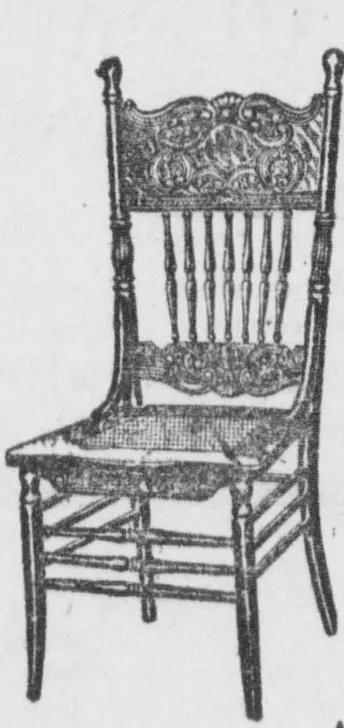
The Repair-First Heirloom: Solid Wood Furniture That Earns Its Place for Decades
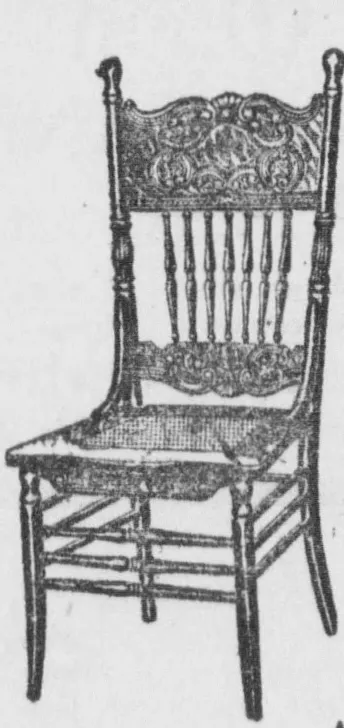
Photo: Unknown authorUnknown author, Public domain, via Wikimedia Commons
Most furniture does not end up on the pavement because it was cheap. It ends up there because it became awkward: a joint failed, a finish wore through, a wardrobe no longer fitted the room, or nobody could get the back off to tighten a bolt. The pieces families argue over tend to be the opposite. They are useful, repairable and adaptable enough to survive a few changes of address, taste and household. In other words, they are not just old. They are maintainable.
Start with the frame, not the finish
A handsome finish can distract from a frame that is held together by hope. When you are judging a solid wood piece, look at how it is built before you look at how it is stained. Mortise-and-tenon joints, dovetails and properly glued dowels are not guarantees of immortality, but they give a joiner something to work with. Screws driven into end grain, heavy staples and hidden fixings that cannot be reached are harder to love in the long run.
That does not mean every piece must be handmade in a dusty workshop. Knock-down fittings are fine if they are accessible and well specified. The real question is simple: if this wobbles in twelve years, can someone reasonably fix it? If the answer is no, it is probably not an heirloom. It is a temporary object with nice grain.
Wood choice: boring can be beautiful
Oak and ash have earned their reputations in UK furniture for good reason. They are tough, forgiving and widely understood by repairers. Beech is excellent for chairs and workmanlike pieces, while walnut brings depth if you want something darker. Homegrown timbers are worth asking about, too; they carry a sense of place without needing a dramatic story attached.
A practical heirloom tends to use wood honestly. That means solid timber designed to move a little with the seasons, not a thick slab trapped inside a rigid frame. It also means avoiding finishes and stains so dark or opaque that every future scratch becomes a drama. A little visible grain and a finish that can be refreshed locally will age far better than a flawless surface that has to be stripped back to the bare bones after one mishap.
The dimensions that survive a house move
A piece can be beautifully made and still fail the heirloom test because it only works in one room. Fitted furniture is wonderful in the right place, but commissioned alcove shelving and wardrobes should be designed with change in mind. Removable scribes, adjustable shelves, detachable cornices and legs that can be shortened or replaced all help. So does keeping the largest dimensions slightly generous rather than absolutely exact.
Think about the realities of a British home: narrow halls, tight turns on the stairs, radiator positions, chimney breasts and the fact that a future owner may have a different ceiling height or a different idea about where the sofa goes. A dining table that seats six but can be reduced or moved is more likely to stay in the family than a vast fixed island that only suits one kitchen.
Finish is a maintenance contract
Oil and wax finishes are not magic, but they are forgiving. A local repair can often be blended in without refinishing the whole piece. Lacquer can be more hard-wearing and practical for busy households, especially on tables, but choose a finish you understand and can maintain. Ask what products the maker recommends, and ask for a small offcut or sample so future repairs are easier to match.
Patina is not damage. A few dents around the edge of a dining table are part of family life. The damage that matters is structural: a split that has been ignored, a joint that has been forced, or water sitting on a surface for days. Good care is less about keeping furniture perfect and more about catching small problems before they become expensive ones.
The heirloom test checklist
Before you buy or commission a solid wood piece, run through these questions:
- Can you reach the fixings and joints if they need attention?
- Are the main joints mechanical and repairable, rather than glued and stapled beyond rescue?
- Does the design allow the wood to move with changing humidity?
- Is the finish repairable in patches, or does every mark demand a full refinish?
- Could the legs be shortened, replaced or re-shaped later?
- Are shelves adjustable, or is everything fixed for one purpose?
- Will it fit through a standard UK doorway and up a turn in the stairs?
- Could it work in at least two or three rooms over its lifetime?
- Can a local joiner or furniture restorer source similar timber?
- Would you be relaxed about a child, a dog or a dinner guest using it?
The last question matters more than it sounds. Furniture that is too precious to use tends to become furniture that is too much trouble to keep. The best heirlooms are the ones that get used on a Tuesday.
Commission with the next owner in mind
If you are ordering a bespoke piece, ask the maker for care notes, the finish specification and a little spare timber if possible. Ask how the piece comes apart, whether it can be adapted, and what they would do if a joint failed in ten years. Those questions are not cynical. They are part of commissioning well.
Not every item needs to be an heirloom. A hall bench, a dining table, a chest of drawers and a well-made bed are strong candidates because they are useful, repairable and emotionally sticky. A trend-led occasional piece may bring plenty of joy without needing to survive three generations. That is fine too.
The heirloom test is not really about age or price. It is about whether a piece has been made with enough honesty, flexibility and repairability to keep earning its place. Buy fewer things, choose the frame carefully, and leave room for a future owner to make their own mark. That is how solid wood furniture becomes family furniture.