Rooms That Live in the Shade: A Wood-Buying Guide for Cool UK Light
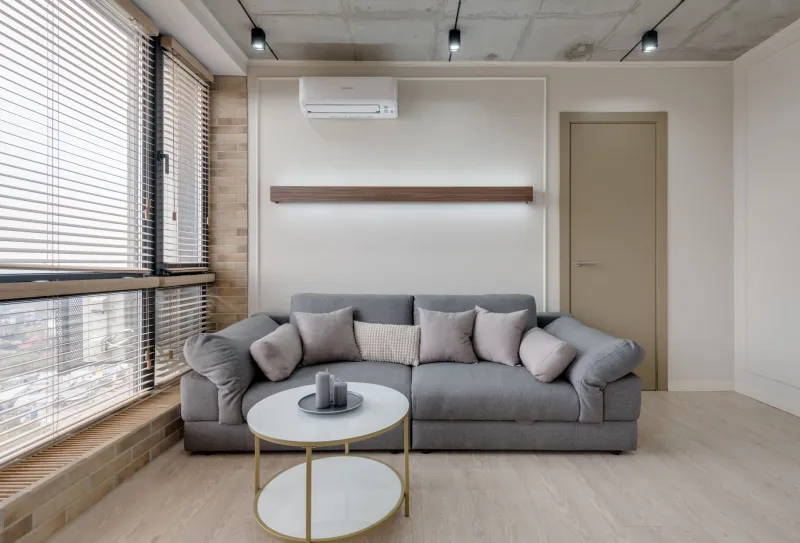
North-facing rooms have a reputation problem. They are called gloomy before anyone has even put a chair in them. But the truth is more useful than the reputation: these rooms tend to get steady, indirect light rather than strong sun, and that changes how wood furniture reads. As November closes in and the skies turn properly British, it is worth choosing timber for the light you have, not the light you wish you had.
Start with an honest light audit
Before you browse a single sideboard, stand in the room at three points in the day: mid-morning, early afternoon and late afternoon. Pick a grey day, because that is the test. Notice where the light falls, where the corners go flat, and whether the window is doing most of its work on one wall. North-facing does not mean no light. It means cooler, softer, more even light — and often less of it by 4pm.
That matters because wood is not a fixed colour. It is a surface that reflects whatever is around it. In a sunny south-facing room, oak can look honeyed and generous. In a north-facing room, the same oak can look oat-coloured, slightly green, or simply quieter. None of that is a fault. It is just a lighting fact.
What cool light does to oak, ash and walnut
Oak is the great all-rounder, but in cool light its warmth can drop away. Golden oak tends to hold up better than very pale, raw-looking oak, which can turn slightly grey or washed out. If the room already has grey walls, grey flooring and a grey sofa, pale oak may not add the warmth you were hoping for.
Ash is naturally pale and cool in tone. In a bright room it looks clean and Scandinavian; in a north-facing box bedroom it can disappear into the walls or feel a bit clinical. That does not rule it out. It just means you may want a warmer finish, warmer bedding, or a lamp nearby to give it something to bounce off.
Walnut is the opposite problem. It is rich and dark, which can look wonderful against cool light — but in a dim corner it can go almost black. A walnut dining table under a window is one thing; a walnut wardrobe in a north-facing alcove is another. It will need light, either from a lamp or from a lighter wall behind it.
Stained finishes deserve special attention. Grey-stained wood in a grey-light room can double down on the chill. Warm stains — honey, chestnut, soft brown — can counteract it. The label on the sample is less important than how the finish behaves at home.
Why the website photo lied
Online furniture photos are usually shot under warm studio lighting, then adjusted until the wood looks reassuringly golden. Your north-facing spare room has not been adjusted. The same piece can look delicious on a screen and slightly tired in the corner of a cool hallway.
Look for customer photos, ask for a short video taken in daylight, and check the returns policy before you commit. If a retailer cannot tell you how the finish looks in natural light, treat that as useful information. One Tree Furniture would rather you ask the awkward question than live with the wrong answer.
The sample board trick
A small sample chip is better than a hundred product photos, but only if you use it properly. Do not hold it flat on the floor. Prop it vertically at the height the furniture will actually sit — tabletop height, worktop height, wardrobe height. Leave it there for a day or two and look at it at different times.
Put a sheet of plain white paper next to the sample. It gives your eye a neutral reference and makes any green, grey or pink cast easier to spot. Compare the sample against the floor, the skirting board and the wall. If you are buying a pre-loved piece, take a drawer or an offcut if you can. Real wood under real light is the only honest preview.
Lamps and wall colours can rescue the room
You do not have to choose furniture around a wall colour you have not even painted yet. But it helps to know that cool grey walls can make cool-toned wood feel colder, while warm off-whites, clay, soft olive and muted ochre tend to flatter timber. You do not need a dramatic colour scheme. A warmer wall behind a pale ash desk can make the whole corner feel less like a waiting room.
Lighting matters just as much. Swap cool white bulbs for warm ones, ideally around 2700K, and use shaded table or floor lamps rather than a single hard ceiling light. A small lamp beside a walnut chest can stop it turning into a black hole. Before you buy a large piece, test the corner with a cheap lamp from the spare room. It is a surprisingly good rehearsal.
Room-by-room checklist
Dining room: North-facing dining rooms are often used in the evening, so check the wood under lamp light as well as daylight. A pale ash table may feel chilly if the room is already cool; a warmer oak or walnut can anchor it. Check how the chairs look against the table, not just on their own.
Hallway: Hallways are often the darkest rooms in the house. A slim oak or ash console will keep things light, while a heavy dark piece can make a narrow space feel tighter. Add a mirror and a warm lamp if you can. Wood in a hallway needs help from something reflective.
Box bedroom: Small north-facing box rooms are where pale wood can either calm the space or vanish into it. Avoid bulky dark wardrobes that shrink the room. Choose a lighter timber, a low-profile bed, and bedding that gives the wood some contrast. Check the piece against the wall colour before you commit.
The final test
Live with a sample for a week if you can. Move it around. Look at it on a bright morning and a drizzly afternoon. If it drains the room, warm textiles, a rug and a lamp can usually help. If it still feels wrong, believe your eye and choose again. Wood is forgiving, but a north-facing room does not need to be a gamble.