The Finish Line: Oil, Wax and Lacquer for Wood in Real UK Homes
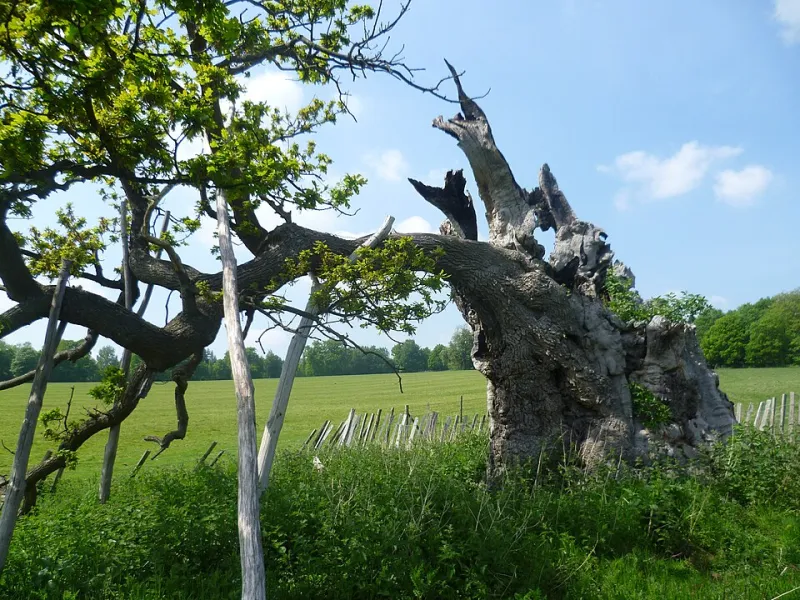
Photo: Marathon , CC BY-SA 2.0, via Wikimedia Commons
Walk into a furniture showroom and the conversation usually starts with species: oak, ash, walnut, maybe elm. That is understandable. But the finish is the part of a piece that lives with you day to day. It decides whether a spill becomes a story or a stain, whether the surface feels chalky or silky, and whether a small scuff can be sorted on a Sunday afternoon or needs a professional.
In a British home, that matters. Our rooms swing from damp winter air to dry radiator heat, and many of us ask a lot of furniture: school bags, dog beds, bowls of pasta, cups of tea. Here is a practical look at the three main finishes you will meet on wood furniture, and how each one shapes the way oak, ash and walnut age.
First, what a finish is doing
A finish is not just a colour. It is a barrier, a feel and a maintenance contract. Some finishes sit on top of the wood and form a film. Others soak in and protect from within. Neither approach is automatically better. The right choice depends on the piece, the room and how much care you are happy to give.
Oil: the close-to-the-wood option
Oil penetrates the timber and leaves the grain visible and touchable. On oak, a good oil brings out the medullary rays and gives a soft, dry sheen rather than a glossy shine. On ash it keeps the pale, clean character. On walnut it deepens the chocolate tones without making them look varnished.
Oil is forgiving in use and excellent for spot repair. A light scratch or a dry patch can often be treated with a fresh coat of the same oil, worked in along the grain. The catch is that oil needs feeding. Busy family tables and kitchen worktops may want re-oiling once or twice a year, depending on use. Water left standing can mark an oiled surface more readily than a film finish, so coasters and quick wipe-ups are not fussy, just sensible.
For kitchens, look for a hardwax oil rather than a simple furniture oil. It offers more resistance to water and daily wear while keeping that matte, natural look. For period properties, oil is often the easiest way to keep an old oak dresser or ash table looking settled rather than sealed under plastic.
Wax: charm with a shorter leash
Wax gives a low-sheen, traditional finish and a lovely tactile surface. It is the finish many people associate with old cottage furniture and antique shops. On oak and ash it adds a soft glow without much colour shift. On walnut it can enrich the grain, though it will not add much protection.
Wax sits closer to the surface than oil and needs more frequent attention. It is fine for a bedside table, a hall console or a piece that is admired more than used. It is less suited to a family dining table, a kitchen worktop or anything within splashing distance of a sink. Heat is also a consideration: wax can soften and show rings if a hot mug or plate is put straight down. Near radiators, waxed pieces may need more regular buffing and can look dry in winter.
The upside is repairability. A waxed finish can be refreshed with a thin coat and a soft cloth, and small marks often blend in. The downside is that it is not a hard-wearing barrier. If you want the look but need more practicality, ask whether the maker offers a hardwax oil instead.
Lacquer: the low-effort, high-protection route
Lacquer forms a film on the surface. Modern water-based lacquers are common on UK furniture, and they can be matt, satin or gloss. They are good at resisting water, heat and general knocks, which makes them a strong choice for busy family spaces, kitchens and pieces that need to be wiped down often.
The trade-off is repairability. A lacquered surface is harder to spot-repair than oil or wax. A deep scratch can sometimes be touched in, but blending a patch invisibly is a job for a professional. Over time, some lacquers can yellow slightly, especially on pale ash or maple, though water-based products are better than older solvent finishes. On oak, a lacquer can look more uniform and less open-grained than oil. On walnut, it can make the wood look richer but also a little more sealed.
Lacquer is not a bad word. For a rental flat, a child's desk or a kitchen that gets wiped twice a day, it can be the sensible choice. Just go in knowing that the finish is a surface layer, not a feeding routine.
How oak, ash and walnut change
Oak tends to warm and amber over time, especially under daylight. Oil and wax let that happen gradually. Lacquer slows the change but does not stop it. Ash is pale and cool; oil keeps it light, while wax can add a slight honey tone. Walnut is the one people worry about most. It can soften and lighten with sun exposure, and oil or wax tends to keep it looking natural rather than lacquered. A water-based lacquer will hold the colour more evenly, but it can feel less tactile.
Room-by-room shorthand
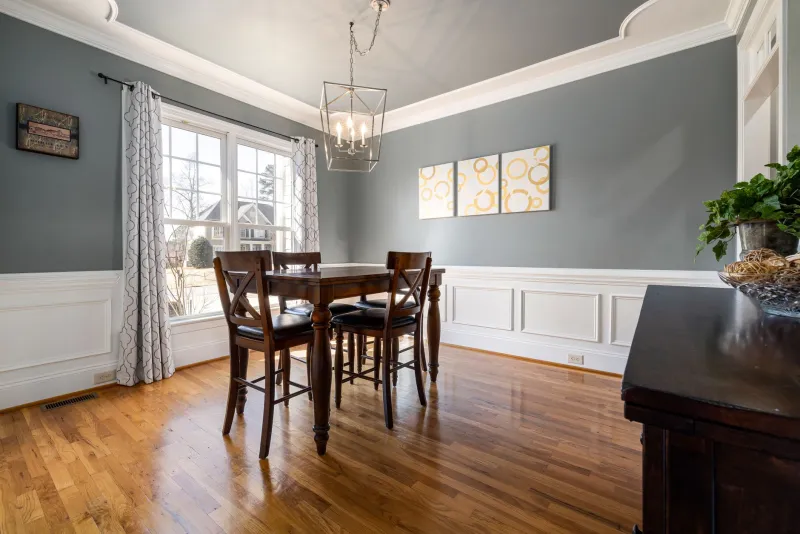
For a busy family dining table, hardwax oil or a good water-based lacquer are the practical picks. For a kitchen, avoid simple wax; choose hardwax oil or a factory-applied lacquer. For a period property with an old oak piece, oil or wax will usually look more at home, provided you are happy with the upkeep. For a radiator-hugging console, wax is the least forgiving; oil or lacquer will cope better with dry heat. For a children's bedroom, painted or lacquered birch is often the easiest life choice.
Maintenance and spot repair
With oil, clean with a damp cloth and mild soap, dry immediately, and re-oil when the surface starts to look thirsty. With wax, dust often, buff with a soft cloth, and add a thin coat once or twice a year. With lacquer, avoid abrasive cleaners and use a soft cloth; for scratches, test any repair product on a hidden patch first. In every case, ask the maker for the exact product used. A generic oil is not the same as the one on your table.
The finish is not the glamorous part of buying furniture, but it is the part that decides how the piece ages in your actual home. Choose for the life you lead, not the showroom you visited.