When the Heating Goes On: Keeping Solid Oak Happy Through a British Winter
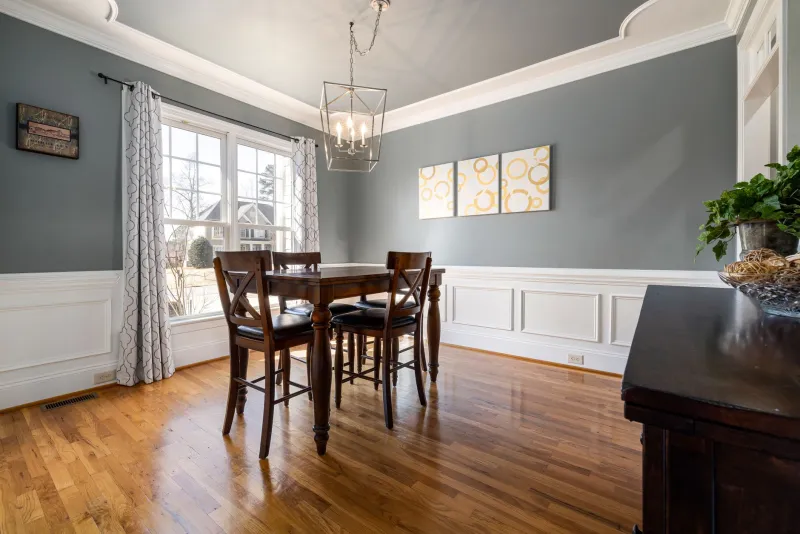
Every November the same thing happens. The heating clicks on, the house feels cosy again, and somewhere in the corner of the room a dining table quietly starts to shift. Nothing dramatic — a hairline gap here, a drawer that suddenly runs a little easier there. That's wood doing exactly what wood does. It's not a fault, and it's not a sign you've ruined anything.
But winter is genuinely the hardest season for solid timber in a UK home. Indoor humidity can drop well below 40% once the radiators are running, and timber that was jointed in a damp October workshop will shrink as it dries. The trick isn't to panic-proof your furniture. It's to understand the handful of things that actually matter, then get on with your life.
The one number worth knowing
Relative humidity is the measurement that governs everything else. Somewhere between 40% and 60% is the comfortable band for both people and furniture. In summer, most British homes sit there happily. In January, a heated living room can easily fall to 30% or lower.
A cheap hygrometer — the sort sold for houseplants, under a tenner — will tell you more than any amount of guesswork. Put one in the room where your best pieces live and check it once a week. If you're consistently reading below 35%, a humidifier in that room is a sensible, unglamorous purchase. Bowls of water and wet towels are a nice idea but do very little in a room with a radiator ticking over.
Placement does most of the work
Before you buy anything, look at where things sit.
- Distance from heat sources. A metre of clear space between furniture and a radiator, log burner or underfloor heating vent makes an enormous difference. A solid oak sideboard pushed right up against a hot radiator will dry unevenly on one face — which is exactly how cupping and splits begin.
- Air behind. Leave a few centimetres between the back of a cabinet and the wall. Trapped damp air behind furniture in an old, solid-walled house is a far more common problem than dryness.
- Sunlight. Strong winter sun through a low window can bleach and dry a surface fast. A linen blind or simply rotating a table occasionally is enough.
- Draughts. A sideboard sitting in the path of a draughty front door gets a blast of cold, damp air every time someone comes in. Timber copes with steady conditions far better than swinging ones.
Room by room
Living and dining rooms
The dining table takes the most punishment: hot plates, spills, dry air, the lot. If it lives near a radiator, move it if you can. Otherwise, use felt-backed mats rather than silicone ones (silicone can trap moisture and leave marks on oiled finishes), wipe spills promptly, and give the top a light re-oil before Christmas rather than waiting for spring.
Kitchens
Wooden worktops and butcher-block surfaces are the hardest-working timber in the house. Heat and dryness together will open joints along a worktop edge. Keep them oiled — every three to four months in winter is realistic for a busy kitchen — and don't leave a damp cloth sitting on the surface overnight.
Bedrooms
Bedside cabinets and chests of drawers often sit directly beside a radiator, which is the worst possible spot. A small gap and a repositioned rad valve will help. If a drawer starts sticking, resist the urge to sand it. Nine times out of ten it'll free up again as humidity rises in spring.
Hallways and porches
This is where woodworm and damp get a foothold. A vintage hall bench near a draughty door will soak up moisture in the frame long before the seat shows it. Check the feet and back rails each winter.
Oil, wax, or leave it alone?
A rough rule that serves most people well:
- Oiled finishes (most modern oak tables, worktops, floors) want more oil. Thin coats, wiped back, once or twice a year.
- Waxed or lacquered pieces — including most antiques — want wax, not oil. A coat of clear furniture wax once a year is plenty.
- Don't mix the two on the same surface without testing a hidden patch first. Oil won't soak through wax, and wax over fresh oil goes tacky.
If a piece is finished and looking fine, the kindest thing you can do is dust it and leave it alone. Over-treating is a real thing.
When movement is genuinely a problem
A 2mm gap appearing in a tabletop between November and February is normal seasonal movement, not a defect. So is a door that binds in July and swings free in January. What isn't normal: a split running the length of a panel, a joint pulling apart at the corner, or veneer lifting at an edge. Those are worth a conversation with a maker or restorer rather than a dab of filler.
Solid wood is a material with a memory of the room it lives in. Look after the humidity, give it a bit of space from the heat, feed it occasionally — and it'll see out decades of British winters without any fuss at all.