The Breathing Gap: Giving Solid Wood Furniture Room to Breathe Against Cold Walls

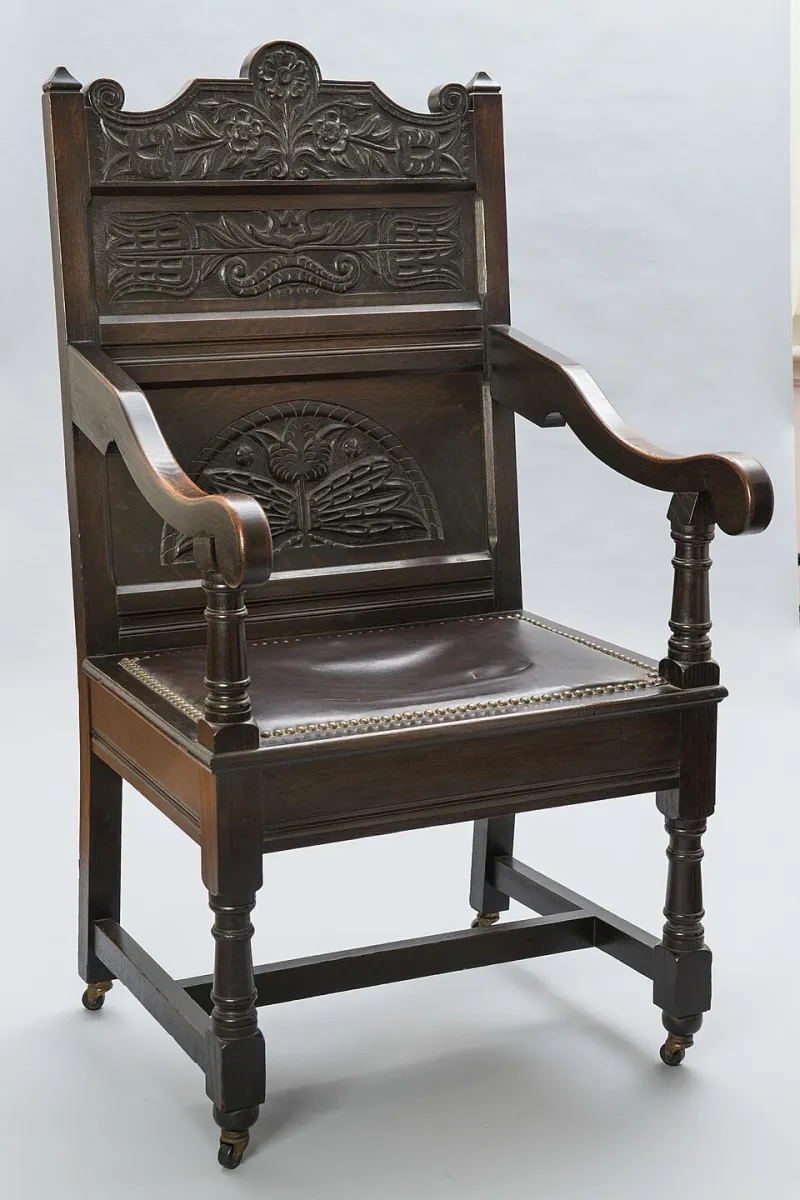
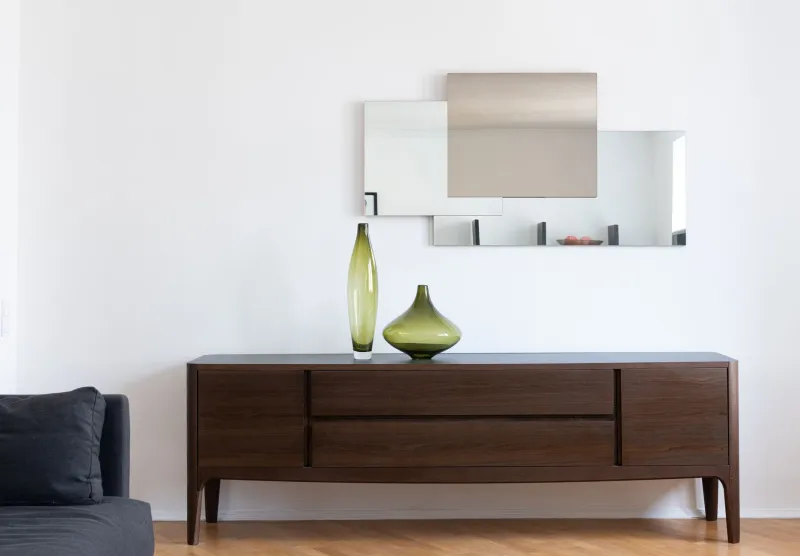
Photo: solid wood wardrobe in corner of period British bedroom, cold external wall, soft winter light, via images.wsj.net
There is a particular kind of cold that lives in the corner of a British period home. It is not a dramatic draught. It is the quiet chill of a solid brick wall in November, the sort that makes the back of a wardrobe feel damp to the touch and leaves a faint musty note in a room that otherwise seems perfectly fine.
Solid wood furniture is tough, repairable and wonderfully long-lived, but it is not indifferent to that corner. Timber moves with moisture in the air, and the air behind a piece pushed tight against a cold external wall can be both cooler and damper than the rest of the room. The result is not usually a catastrophe. More often it is a sticking drawer, a bloomed finish, a slight musty smell or a dark patch on the wall that appears when the furniture is finally moved.
None of this requires turning your home into a laboratory. A few sensible habits, a little space and a basic understanding of how walls and wood behave will do most of the work.
Why the corner feels colder than the rest of the room
In a period property, the external wall is often solid rather than cavity-built. It has no handy air gap inside to soften the cold. In winter, the inner face of that wall can sit noticeably below room temperature, especially behind furniture where warm air rarely reaches.
Warm, moist air from cooking, showering, drying laundry and simply breathing will drift around the room. When it meets a cold surface, it can condense. That is why windows mist up. Behind a wardrobe or a heavy desk, the same process can happen out of sight, with less airflow to carry the moisture away.
Timber is hygroscopic, meaning it takes in and releases moisture from the air. In a well-heated, well-ventilated room, that movement is modest and normal. In a cold, trapped pocket, it can become more pronounced. Drawer runners swell, joints feel tighter, veneers or painted finishes may dull, and the back of the piece can become a home for mould.
What is actually happening behind the furniture
A common assumption is that the wall must be leaking. Sometimes it is. But often the issue is simply a pocket of stagnant, cooler air. Furniture pressed flat against the wall blocks the natural movement of air. The gap behind becomes a small, still microclimate, and still air holds moisture.
That is why two identical pieces can behave differently in the same house. A chest of drawers with a 40mm gap and a little air moving past it may be fine. The same chest pushed hard into a cold corner, with a curtain drawn across it and a radiator fighting the wall nearby, may struggle.
The breathing gap is not a big engineering project
A useful rule of thumb is to keep solid wood furniture roughly 25–50mm away from a cold external wall. That is enough to let air move and to stop the timber sitting directly against the coldest surface. It also gives you room to look behind the piece now and then.
For lighter pieces, felt pads or small cork spacers on the back edge can stop the furniture drifting back against the wall. For heavier wardrobes and sideboards, discreet timber blocks or adjustable feet do the job. Avoid screwing battens into a period wall unless you know what you are doing; you may create a cold bridge or damage old plaster. The aim is a simple gap, not a sealed platform.
Do not overdo it. A huge gap looks odd, wastes floor space and can make tall pieces less stable. The point is ventilation, not a corridor behind the dresser.
Radiators, curtains and the path of warm air
Radiator placement matters more than many of us think. A radiator on an external wall will warm the wall surface, but furniture placed directly in front of it can block the heat and create a warm, stuffy pocket on one side and a cold one on the other. Give radiators room to work. Keep curtains clear of the wall behind furniture, and avoid tucking a solid wood desk into a corner where the only airflow comes from a gap under the door.
In rooms with a chimney breast or alcove, use the shape of the room. A piece set slightly forward of an alcove, rather than jammed into it, will often fare better. If the alcove is genuinely cold and damp, deal with that before you fill it with furniture.
Check moisture without becoming a weather station
A cheap hygrometer is a useful, low-drama addition to a UK home. It will not solve anything on its own, but it helps you notice when indoor humidity is creeping up. Many homes sit comfortably in the 40–60% relative humidity range; consistently higher readings are a prompt to ventilate, not to panic.
Use extractor fans when cooking and showering. Dry laundry outside when you can, or use a vented dryer. Keep the lids on pans. These are ordinary habits, not laboratory protocols, and they make a real difference to the air that reaches your furniture.
Every few weeks, especially in winter, pull the furniture forward a little and look behind it. Check for condensation, dark patches, musty smells or swollen joints. A quick wipe and an hour of airflow may be all that is needed. If you find persistent damp, investigate gutters, downpipes, pointing and any sign of rising damp before blaming the wardrobe.
When the corner is genuinely wet
A breathing gap is not a substitute for repair. If the wall behind a piece is wet to the touch, if paint is blistering, or if a musty smell returns quickly, treat it as a building issue. Old solid walls can be breathable and forgiving, but they can also be quietly soaked by a failed gutter or bridged damp course. Solid wood furniture will not thank you for standing guard over an unresolved leak.
At One Tree Furniture, we like furniture to earn its place over decades, and that means respecting the building it lives in. Solid wood is not fragile, but it is alive to its surroundings. Give it a little air, keep an eye on the cold corners, and it will return the favour with years of steady, repairable service.