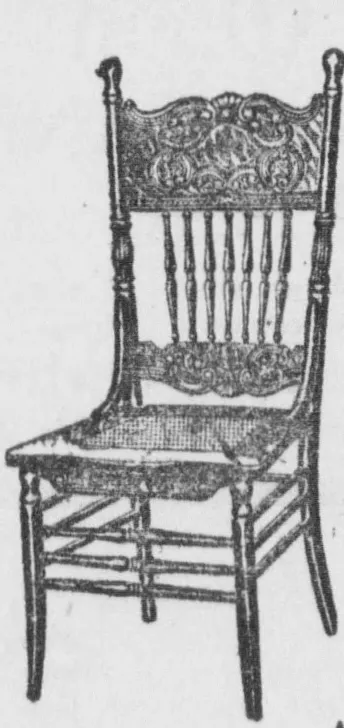
Listen Before You Tighten: A Homeowner's Guide to Noisy, Swollen and Stubborn Wood Furniture

Photo: Dosseman, CC BY-SA 4.0, via Wikimedia Commons
Solid wood is not a silent material. It ticks when the sun hits it, sighs when the heating comes on, and every so often a drawer that slid sweetly in September needs a firm hand in November. None of that automatically means your furniture is falling apart. In most UK homes, it is simply timber doing what timber does: taking in and giving off moisture as the seasons and the central heating change the air around it.
The useful skill is not learning to ignore every noise. It is learning to tell the difference between a piece that is settling into your home and one that is asking for help. Think of it as listening before you tighten.
First, the difference between settling and complaining
Wood moves. A solid oak chest, an ash dining table and a pine dresser will all respond to shifts in humidity, and British homes give them plenty to respond to. A damp October followed by a dry, heated December is a workout for any timber. Small ticks, faint creaks and a drawer that runs a little tighter in wet weather are usually seasonal, not structural.
The warning signs are more about pattern and persistence. A squeak that appears only when the room warms up is very different from a joint that has visibly opened. A drawer that sticks in humid weather and frees up later is different from one that has been jammed since a heavy load was crammed inside. Look for change over time, not just a single sound.
A quick listening tour of the piece
Before you reach for a screwdriver, spend five minutes locating the noise. Open and close every drawer and door slowly. Press gently on the top, the sides and the back panel. Rock the piece very slightly with a hand on each side. Sit on a chair as you normally would, then lean back. Sound travels through furniture, so the creak you hear near a drawer front may actually come from the carcass behind it.
Useful clues include a squeak that happens at the same point in a drawer's travel, a tick that follows the heating coming on, a knock when weight shifts, or a soft rubbing sound when a door closes. Each points to a different likely cause.
The sticking drawer: swell, runners or too much stuff
A drawer that suddenly needs a tug is the classic British solid-wood complaint. In many cases, the drawer box has taken on a little moisture and swollen just enough to bind against its opening. This is especially common in kitchens, bathrooms and bedrooms where the air is steamy or the room is cool and closed up.
Start by emptying the drawer. A heavy load can distort a runner or pull the box out of square. Check that the drawer is sitting evenly in its opening and that nothing has fallen behind it. Run your hand along the runners and the drawer sides for grit, small objects or rough patches. A little beeswax or candle wax on wooden runners can ease movement, but avoid smothering the whole drawer in polish. If the drawer is painted or lacquered, do not wax the painted faces; focus on the hidden running surfaces.
If the drawer frees up after the room has dried out, you are probably dealing with seasonal swell rather than a fault. If it remains jammed in dry conditions, or the drawer bottom is cracked or sagging, stop forcing it.
Squeaks, knocks and the joints that speak up
A squeak is often movement between two surfaces: a drawer side against a runner, a door against its frame, or two parts of a joint rubbing together. A knock can be a loose leg, a failing dowel or a screw that has worked its way loose in soft timber. Small, occasional sounds are not a reason to panic. Repeated knocking under normal use deserves a closer look.
Check visible fixings gently. Do not simply crank every screw tighter, because overtightening can strip the wood and make the problem worse. If a screw turns loosely, it may need a repair rather than another turn. Look for gaps opening around joints, especially where a leg meets a seat or a rail meets a post. Hairline movement in a frame is one thing; a joint that has visibly separated is another.
Cracks, splits and the difference between character and trouble
Solid timber can develop fine surface checks as it dries, particularly on wide panels and end grain. These small lines are often part of the character of real wood. They are not the same as a split running through a structural part, a crack that opens and closes dramatically with the seasons, or a separation that makes the piece wobble.
Pay attention to location. A hairline check on a tabletop is usually cosmetic. A split near a joint, a crack running from a screw hole, or movement around a leg fixing is worth monitoring. Photograph it today and compare in a few weeks. A stable mark is less worrying than one that is growing.
Heat, damp and the UK indoor calendar
Central heating is the great wood-moving machine in British homes. As rooms warm up, relative humidity drops and timber gives off moisture. In summer and damp spells, the reverse happens. Furniture placed close to radiators, under a window that catches strong sun, or in a bathroom with poor ventilation will feel those swings more sharply.
If a piece is near a radiator or a hot air source, try to give it a little breathing room rather than pushing it tight against the heat. In damp rooms, ventilation matters more than polish. Avoid sealing every surface in the hope of stopping movement; wood needs to respond gradually. A stable room is better than a tightly wrapped piece of furniture.
Five simple checks before you call a restorer
First, identify exactly when the noise happens. Second, empty and inspect the moving part. Third, check for loose fixings without forcing them. Fourth, look for damp signs such as musty smells, soft patches or white bloom. Fifth, compare the piece now with how it behaved a few months ago.
If a drawer sticks, try wax on hidden wooden runners. If a door rubs, check hinges and whether the piece is level. If a chair creaks, tighten carefully and stop if a fixing feels loose rather than firm. If the piece wobbles, check the floor and the feet before assuming the frame is at fault.
When to stop and bring in help
Call in a restorer or carpenter if a joint has opened, a leg or rail is loose under load, a crack is spreading, the timber feels soft, or water damage is suspected. The same applies if a drawer has been forced and now runs badly, or if you are unsure whether a repair will affect the value of an older piece. Solid wood is forgiving, but it rewards a light touch. Listen first, check carefully, and reach for the tools only when you know what the furniture is telling you.