Where the Wet Comes In: A Solid Wood Bench for the Front Hall

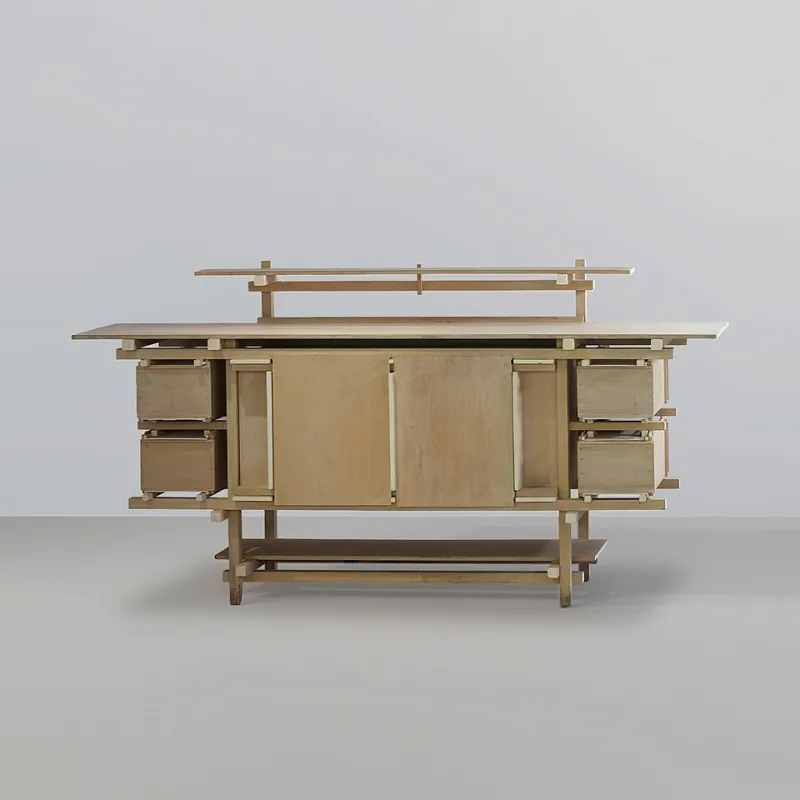
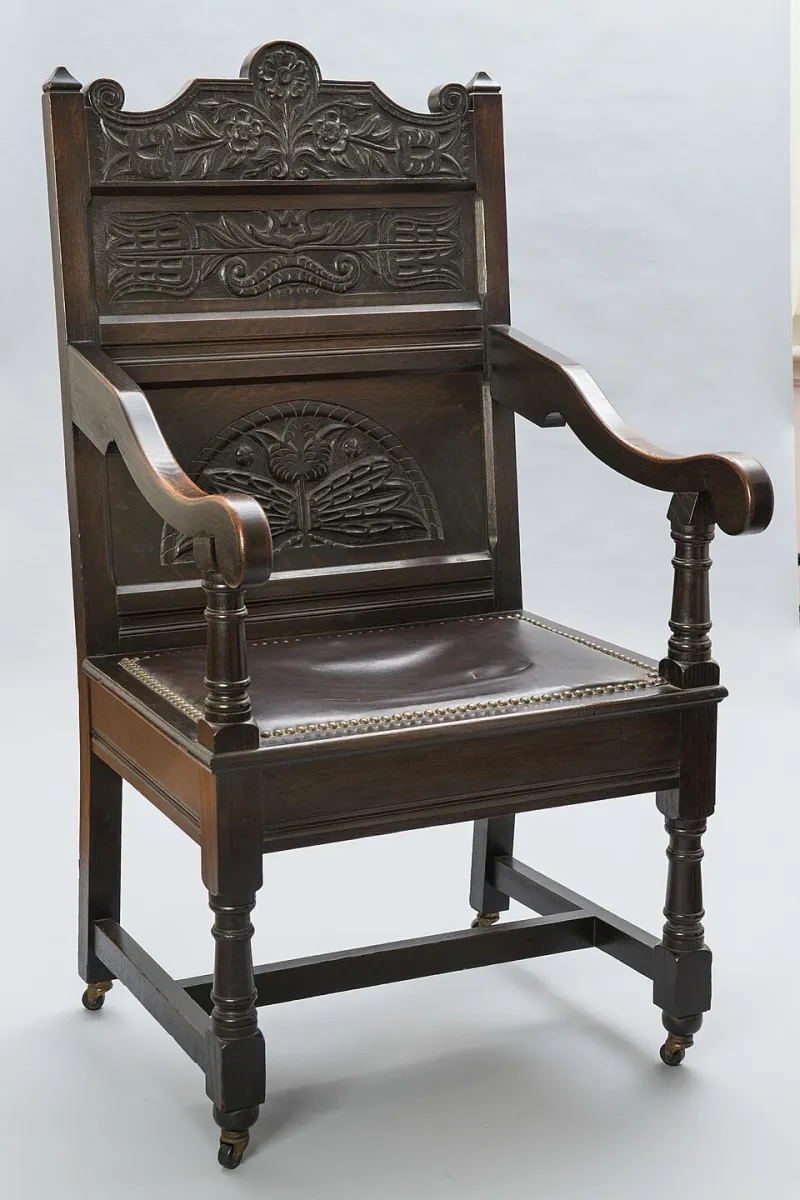
Photo: solid oak hallway bench with coat pegs in narrow British hallway wet coats, via img-0.journaldunet.com
Most British hallways were never designed for the weather we actually get. A Victorian terrace gives you a metre of wall between the front door and the stairs. A 1930s semi offers a draughty corner beside the radiator. A modern flat may give you nothing more than a strip of laminate and a hook. Yet this is where the wet arrives: coats, boots, brollies, school bags and the dog's towel. A solid wood hallway bench is a quiet answer to that daily mess, provided you choose it for the hall you have rather than the mudroom you saw online.
Start with the wall, not the bench
Before you fall for a deep, chunky oak number with a lift-up lid, measure the space honestly. You need the width between the skirting boards, the depth from wall to door swing, and the height of any radiator or light switch. In a narrow hall, a 90cm bench is often more useful than a 150cm one because it leaves room to pass. Depth matters more than length. A 35cm-deep bench is comfortable to sit on and still leaves a walkway; 40cm is generous but can crowd a corridor. Seat height around 45cm suits most adults, and a wall-mounted design with slim legs keeps the floor looking open.
Leave a small gap behind the bench rather than sealing it to the wall. British walls can be cold and slightly damp, and timber likes a little air. A 10mm gap is enough. If the bench sits under a radiator, give it more room still — warm, dry air on one face and cold wall on the other is exactly how wood learns to cup and split.
Oak, ash, or something humbler
For a wet hallway, tight-grained hardwoods earn their place. Oak is heavy, hard-wearing and forgiving of knocks; ash is springy, pale and takes a finish beautifully. Both cope with the odd damp umbrella far better than an unfinished softwood, which will stain and fur up at the first wet boot. Pine is not forbidden — a painted pine bench can be charming — but choose one with sealed end grain and accept that it will dent. The end grain is the thirsty part. Any bench worth buying should have sealed or capped ends, not raw timber sitting a centimetre off a wet floor.
A slatted seat is your friend. Water drips through instead of pooling under a cushion, and boots can breathe underneath. A solid seat looks smarter, but then you need a small drip tray or a washable mat beneath the coats. Either way, look for a back rail with pegs or hooks above. Coats should hang over the bench, not on it.
Lift-up storage that does not become a swamp
Lift-up benches are practical in small halls, but only if they can dry out. A sealed box full of damp gloves and muddy trainers will smell like a wet weekend by February. Choose a hinged lid with a gas strut or a simple stay, and line the inside with a breathable basket rather than cramming everything in. A shallow drawer under the seat is better for hats and leads; a lift-up lid is better for boots and bags. Check the clearance above: a lid that swings into a coat rail is a daily annoyance.
Finishes for brollies, boots and radiator heat
Oil and wax finishes are the traditional choice for hallway timber. They feel warm, can be spot-repaired and let the wood move. The trade-off is maintenance: a busy bench may want a fresh coat once a year, especially near the door. A hard wax oil sits somewhere in the middle. Lacquer gives a tougher film and needs less fuss, but once it scratches deeply it is harder to patch invisibly. Avoid anything described as unfinished or 'ready for you to finish' unless you genuinely plan to do it before the first wet Monday.
A radiator is not the enemy, but proximity is. Solid wood expands and contracts with changes in moisture, and a bench pushed tight against a hot radiator can dry unevenly. Keep a hand's width of space, use felt pads or spacers, and do not drape wet towels over the seat to dry. That is how you get a watermark shaped like a tea towel.
The metre that earns its keep
You do not need a boot room to make a hallway work. You need a bench that is the right size, a finish that can take a knock, and a bit of discipline about what lives underneath it. In 2026, with so many homes squeezing storage into every corner, the front hall bench is less a piece of furniture than a small piece of infrastructure. Choose oak or ash, seal the ends, leave it room to breathe, and it will still be holding your wet coat when the next generation comes through the door.