FSC, PEFC and the Fine Print: A Calm Guide to Timber Claims

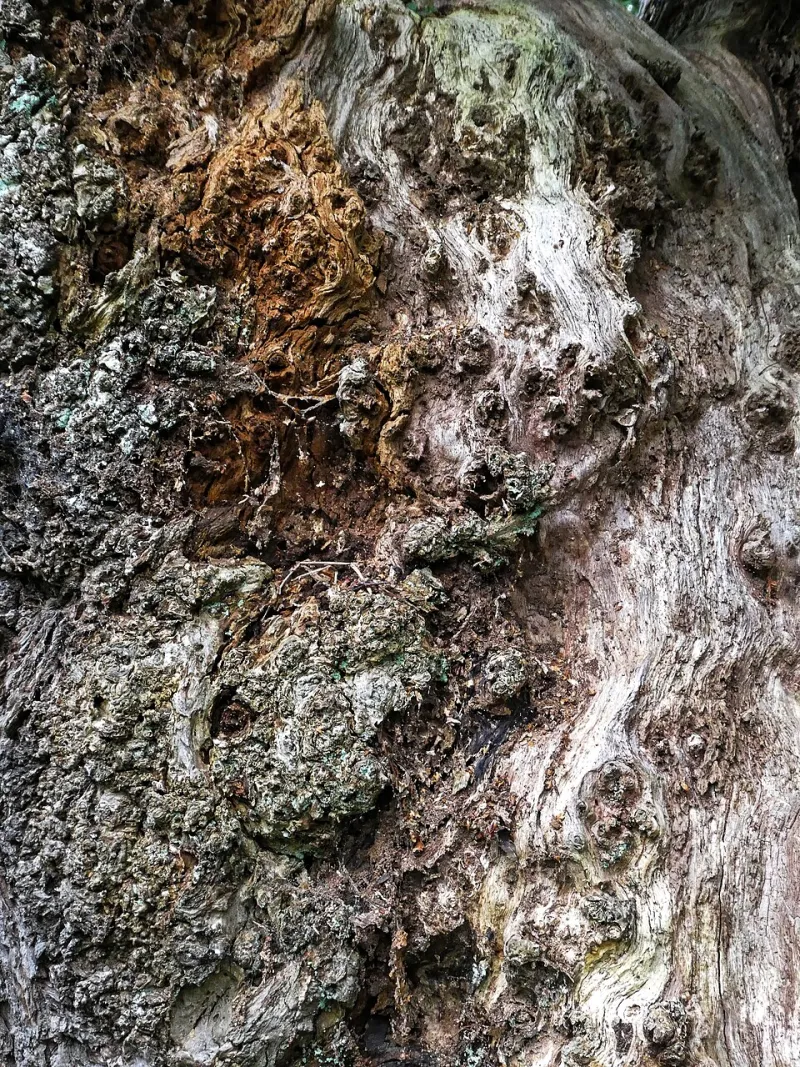
Photo: A S M Jobaer, CC BY-SA 4.0, via Wikimedia Commons
Buying wood furniture in the UK has become a bit like reading a cereal box. There are logos, leaves, little green ticks and phrases such as ‘responsibly sourced’ or ‘sustainable timber’. Some of it is meaningful. Some of it is decoration. Most of it sits somewhere in between, because timber supply chains are genuinely complicated and most shoppers do not have a forestry degree tucked into their tote bag.
The good news is that you do not need one. You need a calm eye for the paper trail and a willingness to ask three or four plain questions. The aim is not to become cynical about every oak sideboard you meet. It is to tell the difference between a claim that can be checked and a claim that simply sounds nice.
Legal is the baseline, not the gold star
In the UK, timber placed on the market is covered by the UK Timber Regulation, usually shortened to UKTR. It requires operators to carry out due diligence and keep records showing that timber has been legally harvested. That matters, but it is a floor rather than a ceiling. A plank can be legal and still come from a forest managed in ways you would not be thrilled about.
Certification schemes go further by looking at environmental and social standards as well as legality. That is why the logos exist. They are not a complete answer, but they are a useful shortcut when the details behind them are clear.
The two names you will see most
FSC and PEFC are the main forest certification schemes you will encounter on UK furniture. You may also see Grown in Britain, which is a UK-focused scheme supporting British woodlands and timber, and CITES permits for certain protected species. Each has its own scope, so it helps to know what you are looking at.
FSC labels usually come in three flavours: FSC 100%, FSC Mix and FSC Recycled. FSC 100% means the wood comes from FSC-certified forests. FSC Mix can combine certified, recycled and controlled wood, so it is worth asking what the mix actually is. FSC Recycled means the material is reclaimed or post-consumer. PEFC labels work in a similar spirit, with certified and recycled categories.
Both schemes use certificate codes, often written as something like FSC-C123456. These can be checked on the scheme’s public database. That is the bit many shoppers miss: a logo on a website is one thing; a certificate code attached to a specific supplier or product claim is much more useful.
A certificate is not a magic wand
Here is where a little scepticism is healthy. A furniture maker might be certified, but that does not automatically mean every board in every product is covered. Chain of custody is the phrase to listen for. It describes how certified material is tracked from forest to sawmill to workshop to showroom.
So the question is not simply ‘are you FSC certified?’ It is ‘what is the claim on this specific piece, and can you show me the paperwork?’ A good retailer or maker will not mind that. They should be able to tell you the species, the country or region of harvest, the certification claim and the supplier. If they cannot, it may be an honest gap in their knowledge rather than a scandal, but it is still a gap.
Questions worth asking before you commit
You do not need to interrogate anyone. A friendly, specific question usually gets a friendly, specific answer. Try these:
- Is this solid wood, veneered board or a mix?
- Which species is it, and where was it grown?
- Is there a certification claim on this product, and which category is it?
- Can I see the certificate code or supplier documentation?
- If it is reclaimed, where did it come from and how was it processed?
- For tropical or restricted species, is there a CITES permit where required?
- What finish has been used, and does that affect how I care for it?
For bespoke work, add one more: where do the offcuts go? A maker who can talk sensibly about leftovers, local suppliers and responsible use of material is usually a maker who thinks beyond the showroom photo.
Greenwashing, without the eye roll
Greenwashing is often less about outright lies and more about vagueness. Watch for phrases such as ‘100% sustainable’, ‘eco-friendly wood’ or ‘carbon neutral furniture’ with no standard, number or explanation behind them. A picture of a forest is not a certification. A promise to plant a tree is not the same as protecting an ancient woodland. ‘Responsibly sourced’ is a fine sentiment, but it is not a scheme you can verify.
That said, the absence of a logo is not proof of bad practice. A small UK maker using reclaimed floorboards from a local school, or ash from a sustainably managed British woodland, may have a perfectly good paper trail in the form of invoices, harvest records and a knowledgeable supplier. The point is specificity. Good claims tend to come with names, places and documents. Weak claims tend to come with adjectives.
What good looks like
A convincing answer sounds pleasantly boring. ‘This is European oak, FSC Mix, supplied by a certified importer. The invoice carries the claim and here is the certificate code. The finish is a hardwax oil.’ Or: ‘These boards are reclaimed from a local factory clearance; here is the date and the supplier. We have cleaned and de-nailed them ourselves.’ Or: ‘This is UK-grown sweet chestnut from a Grown in Britain licensed woodland.’
None of that is glamorous. All of it is checkable. And checkable is what you want when you are buying a table you hope to keep for twenty years.
The paper trail in the plank will never be as charming as the grain. But it is part of the story of the furniture, and it is one you are allowed to ask about. Start with species, origin and proof. If the answers are clear, you can relax and get back to the important business of deciding whether the chair suits the room.