The Sixty-Second Grain Check: Judging a Solid Wood Piece Before You Commit
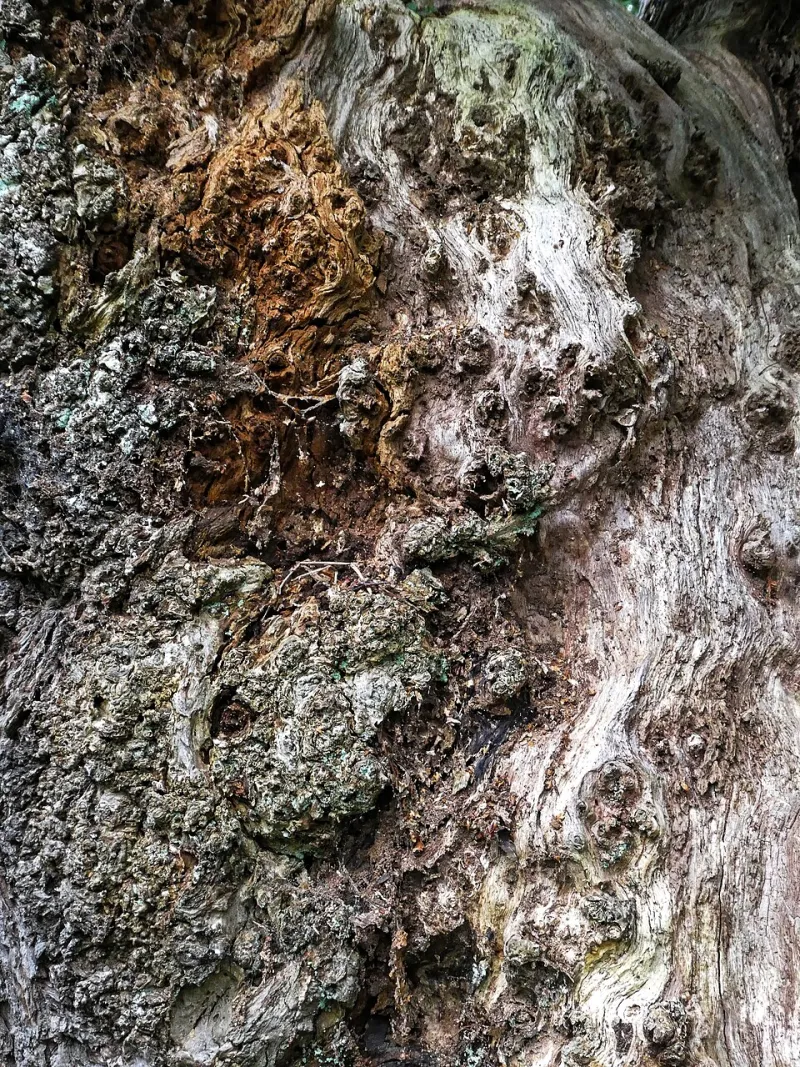
Photo: Acabashi, CC BY-SA 4.0, via Wikimedia Commons
Grain is the part of a wooden piece that no finish can fully hide. It is also the part most shoppers ignore until they get it home. That is a shame, because grain gives you a quick, honest read on how a piece was cut, how it is likely to behave, and whether the maker was thinking about the whole object or just the showroom face.
You do not need to become a sawmill technician. You need a few visual checks that work in a British showroom, a charity furniture shop, a car-boot sale or against a slightly blurry marketplace listing. Here is the sixty-second version.
Start with the face, not the finish
Before you stroke the top and say how lovely it feels, tilt your head and look across the surface at a low angle. Raking light is brilliant at revealing what a flat-on photo hides: ripples, raised grain, sanding swirls and the way the grain lines run into each other.
On a well-made tabletop, the grain should look like it belongs together. If the boards have been glued up without much thought, the lines will stop dead at a joint, clash in direction, or create a stripey, argumentative effect. That is not always a fault. But on a piece sold as considered furniture, it is a clue about the level of care.
Cathedral arches: charming, but know what they mean
Those pointed, looped arches on a board are the classic sign of through-and-through, or plain-sawn, timber. The saw has gone straight through the log, so you get a mix of grain patterns, including those cathedral arches. It is a warm, familiar look and it suits plenty of UK homes, especially oak dining tables and chunky shelving.
Plain-sawn wood is not inferior. It is just more likely to move a little across its width as indoor humidity changes. In a centrally heated British flat, that matters. A wide plain-sawn tabletop needs sensible design: room to move, proper fixing, and not being jammed tight against a wall. If you love the arches, fine. Just do not expect them to behave like a quarter-sawn board.
Straight lines, rays and the quarter-sawn premium
Quarter-sawn timber gives you straighter grain lines and, in oak especially, those little silvery flecks known as medullary rays. They look almost metallic when the light catches them. This is not decoration applied by a marketing team; it is part of the wood's structure.
Quarter-sawn stock is more stable across its width and often more expensive because it is slower to produce. Is it worth paying for? On a visible drawer front, a cabinet door or a tabletop you will live with for twenty years, sometimes yes. On the hidden side of a drawer box, you are mostly paying for bragging rights. A sensible maker uses stable stock where it matters and cheaper stock where it does not.
Knots: character, compromise or a warning
A tight, live knot is part of the tree's story. It is sound, integrated and usually fine. A dead knot is different: it can look dark, loose or ringed by a hairline crack, and it may eventually shrink or drop out. A cluster of knots near an edge or a joint is a structural weak point, not just a cosmetic quirk.
On a rustic pine shelf, knots are part of the deal. On a load-bearing chair rail or a slim table apron, a big knot in the wrong place is a reason to ask questions. Online, zoom in. If the seller cannot send a close-up of the end grain and the knotty area, that is your answer.
Shakes, splits and the lines that matter
A fine shake is a separation running along the grain, often visible at the end of a board. Sometimes it is shallow and stable. Sometimes it runs deep. Look at the end grain first, then follow the line along the face. If a hairline crack disappears into a joint or crosses a glue line, walk away unless the price reflects the risk.
Surface checking, those small cracks on the face of a board, is often caused by fast drying. It can be stable on a decorative panel. It is less welcome on a tabletop that will be wiped down daily. In a UK home, where central heating can dry timber hard in winter, small flaws have a habit of becoming more noticeable.
Grain direction on tabletop and drawer fronts
On a tabletop, the grain should run along the length. It looks calmer and it moves in a predictable direction. On drawer fronts, look for continuity. If the grain runs across a run of drawers in a matched way, the maker has thought about the piece as a whole. If every front looks like it came from a different tree, that can be a style choice, but it can also be a sign of offcuts being used up.
Drawer sides and backs are where grain tells tales. Quarter-sawn or straight-grained sides are a good sign. Wild, knotty grain in a thin drawer side is not. Run your finger along the inside edge. If it feels rough, furry or splintery, the finishing has been focused on the outside only.
The sixty-second route
Here is the quick version. One: rake the light across the top and look for grain that belongs together. Two: check the end grain for shakes and cracks. Three: look at knots and ask whether they are tight and well placed. Four: check grain direction on tops, doors and drawer fronts. Five: look at the hidden parts, because that is where care usually shows.
None of this replaces proper joinery checks or a good look at the finish. But grain is the fastest honest signal you have. It will not tell you whether the piece suits your alcove. It will tell you whether the timber was chosen with intent.
Where cosmetics earn their keep
There is nothing wrong with paying for beautiful grain. A book-matched cabinet door, a tabletop with medullary rays catching the evening light, or a drawer front with a quiet, continuous figure can bring real pleasure every day. That is not vanity. It is the difference between furniture you own and furniture you notice.
Just be clear about what you are buying. Grain cosmetics are worth a premium on surfaces you see and touch. They are less important on undersides, backs and internal panels. A good maker knows the difference, and a good buyer can spot it in under a minute.